The way people search for legal services is changing. Potential clients no longer rely exclusively on Google search results to find a lawyer. They increasingly use conversational AI tools, AI-powered search experiences, and voice assistants to research legal questions, compare law firms, and understand their options.
For law firms in Toronto, this shift creates a new opportunity to reach prospective clients by providing clear, trustworthy, and accessible legal information.
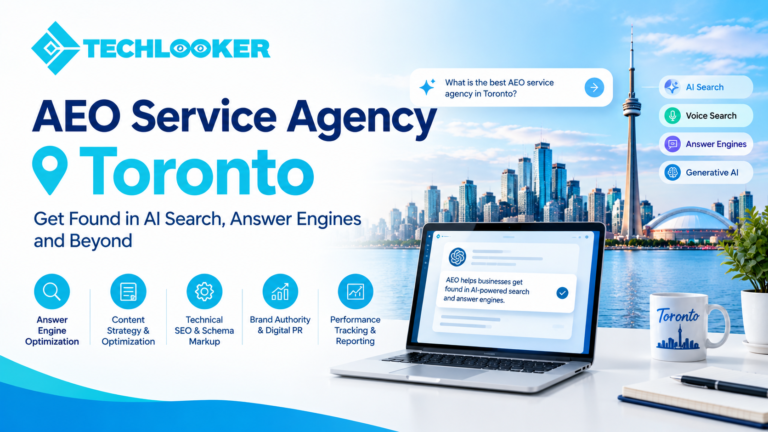
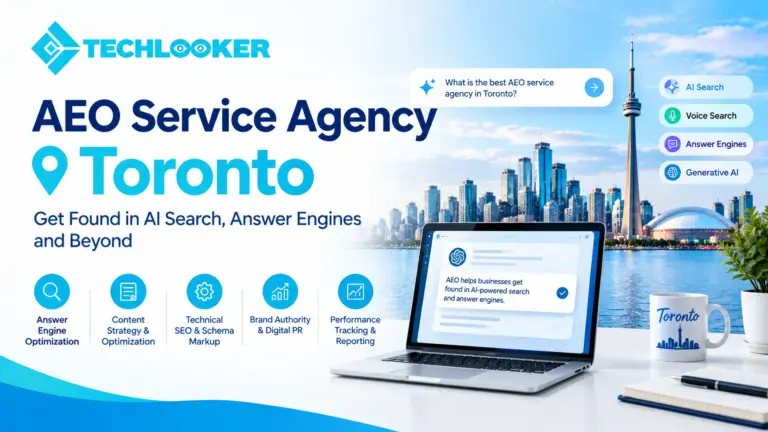
AEO services for law firms in Toronto help legal practices improve how their website content answers relevant questions and how their expertise can be understood by search engines and answer-oriented platforms. Answer Engine Optimization (AEO) complements traditional SEO by focusing on useful answers, clear content structure, technical accessibility, and credible brand information.
Whether your firm specialises in personal injury, family law, immigration, criminal defence, employment law, or corporate legal services, an effective AEO strategy can help strengthen your digital presence and support client acquisition.
In this guide, we explain how AEO works for Toronto law firms, which services matter most, how to optimise legal content for AI search, and how to choose the right AEO agency for your practice.
What Are AEO Services for Law Firms?
Answer Engine Optimization is the process of improving website content and digital information so that search engines and answer-oriented platforms can better understand and potentially reference it when responding to relevant questions.
For law firms, AEO focuses on making legal information accurate, clearly organised, relevant to potential clients, and easy to discover.
For example, someone in Toronto might search for:
- How do I find a personal injury lawyer in Toronto?
- What should I do after a car accident in Ontario?
- How does child custody work in Ontario?
- What should I look for when hiring an immigration lawyer?
- How can I find an employment lawyer in Toronto?
A law firm’s website can address these questions through well-researched legal guides, service pages, FAQs, and educational resources.
An AEO strategy helps structure this information so that people and search systems can understand the firm’s expertise and the context of its services.
However, appearing in an AI-generated answer is never guaranteed. Different platforms use different systems, sources, and selection processes.
Why Toronto Law Firms Need AEO Services
Toronto’s legal market includes firms across many practice areas, from personal injury and family law to corporate litigation and immigration. Establishing a clear digital presence can help a firm communicate its expertise to people researching legal services.
1. Improve Visibility in AI-Powered Search
Search experiences increasingly include generated summaries, conversational responses, and recommendations supported by online sources.
AEO helps improve the clarity and accessibility of legal content, creating more opportunities for relevant pages to be understood or referenced by these systems.
For law firms, this means explaining legal processes, answering common client questions, and presenting practice-area information accurately.
2. Reach Potential Clients Earlier
Many people research a legal problem before deciding whether to contact a lawyer.
They may look for information about legal procedures, deadlines, costs, eligibility, or the documents they need.
Publishing useful educational content can help your firm reach people during this research stage and guide them towards appropriate service pages or consultation options.
3. Strengthen Trust and Professional Credibility
Legal information can have significant consequences for readers. Content should therefore demonstrate appropriate expertise, accuracy, and transparency.
AEO can support this by improving author credentials, lawyer biographies, legal references, editorial review processes, and the clarity of information about your services.
For Ontario law firms, content should reflect the applicable laws and procedures rather than relying on generic legal explanations that may apply to other jurisdictions.
4. Support Local Client Acquisition
Potential clients may search for lawyers in Toronto, North York, Scarborough, Etobicoke, or nearby communities.
Clear practice-area pages, accurate business information, relevant local content, and a well-maintained Google Business Profile can support local discovery.
AEO works alongside local SEO to help communicate where your firm operates, which services it provides, and whom it serves.
5. Complement Traditional SEO
AEO does not replace SEO. Search engines and AI-powered systems still benefit from accessible websites, relevant content, logical information architecture, and accurate information.
A combined strategy can help your law firm serve conventional search users while preparing content for answer-oriented discovery.
AEO vs SEO for Law Firms: What Is the Difference?
SEO and AEO share many principles, but they emphasise different aspects of online visibility.
| Factor | Traditional SEO | AEO for Law Firms |
|---|---|---|
| Primary objective | Improve organic search visibility | Improve the clarity and discoverability of answers |
| Content focus | Practice-area pages, blogs, landing pages | Direct answers, legal FAQs, explanatory guides |
| Technical work | Crawlability, indexing, speed, architecture | The same foundations, with emphasis on accessible answer-focused content |
| Authority | Relevant links, expertise, reputation | Credible expertise, accurate information, consistent brand details |
| Local visibility | Local landing pages and business profiles | Clear location and service information that supports answer interpretation |
| Measurement | Rankings, clicks, traffic, conversions | Mentions, citations where measurable, referrals, and qualified enquiries |
These approaches overlap significantly. A strong legal marketing strategy generally integrates SEO, AEO, local SEO, and content quality instead of treating them as unrelated activities.
Essential AEO Services for Law Firms in Toronto
A comprehensive AEO programme should be tailored to the firm’s practice areas, target audience, existing website, and business objectives.
1. Legal AEO Audit
An AEO audit identifies opportunities to improve how a law firm’s website communicates its expertise and answers prospective clients’ questions.
The audit may include:
- Technical crawlability and indexability
- Existing organic search performance
- Practice-area page quality
- Legal content accuracy and structure
- FAQ and question-based content coverage
- Structured data implementation
- Internal linking and website architecture
- Brand information consistency
- AI search visibility, where measurable
- Competitor content and topic coverage
The result should be a prioritised action plan that identifies specific improvements, explains their purpose, and establishes appropriate performance indicators.
2. Legal Question and Search Intent Research
An AEO agency researches the questions potential clients ask before contacting a lawyer.
Toronto family law firm, topics might include separation agreements, parenting arrangements, child support, and divorce procedures in Ontario.
For a personal injury firm, topics might include accident documentation, insurance claims, limitation periods, and when to seek legal advice.
For immigration practices, topics may include application requirements, eligibility criteria, processing steps, and relevant Canadian immigration procedures.
Research should reflect the firm’s actual practice areas, the applicable law, search demand, and client needs.
3. Practice-Area Page Optimization
Practice-area pages explain the legal services a firm offers and help prospective clients determine whether the firm is relevant to their situation.
An AEO-focused page should clearly communicate:
- The legal service provided
- The types of matters the firm handles
- The jurisdictions in which it operates
- Relevant lawyer experience and credentials
- The general process involved
- Frequently asked questions
- How to contact the firm
For example, a Toronto employment law page should explain the firm’s employment law services and relevant Ontario context without making unsupported promises about case outcomes.
Clear, specific service pages are more useful than generic pages that repeat keywords without providing meaningful information.
4. Legal FAQ and Answer-Focused Content
FAQs can help law firms address common questions in a concise, accessible format.
An agency may develop questions around client concerns, explain relevant concepts, and link readers to more detailed guides or appropriate service pages.
For example, a personal injury law firm might answer:
What should I do after a car accident in Toronto?
The answer can provide general steps, explain why documenting the incident may be important, and direct readers to authoritative resources or appropriate legal assistance.
Legal FAQs must be accurate, current, and reviewed when necessary. They should not present general information as a definitive assessment of an individual’s legal rights.
Adding FAQs does not guarantee AI citations or enhanced search results. Their value comes from addressing real client questions effectively.
5. Technical SEO and Structured Data
Technical optimisation helps search engines access and interpret a website.
Depending on the site, an agency may review:
- XML sitemaps
- Robots.txt configuration
- Canonical tags
- Internal linking
- HTTPS implementation
- Mobile usability
- Page performance
- Broken links and redirects
- Appropriate structured data
Relevant schema may include Organization, LegalService where appropriate, Article, BreadcrumbList, or Person for accurately represented individuals.
Structured data should match visible content and follow the relevant search engine guidelines. It can clarify certain information but does not guarantee inclusion in AI answers.
6. Lawyer Expertise and Author Credibility
Legal content requires careful attention to credibility and accuracy.
Your website should make it easy for visitors to understand who is providing legal services and who is responsible for educational content.
Useful elements include:
- Lawyer biographies
- Professional qualifications
- Relevant practice experience
- Author or reviewer information
- Editorial review dates
- References to applicable legislation or official guidance
- Clear firm contact details
Where appropriate, content should be reviewed by a qualified legal professional familiar with the relevant Ontario or Canadian law.
Avoid exaggerated claims, fabricated credentials, unsupported success rates, or promises of specific legal outcomes.
7. Local AEO and Toronto Business Information
Local discovery is important for firms that serve clients in specific parts of Toronto or the Greater Toronto Area.
An agency may help improve the clarity and consistency of:
- Firm name and contact information
- Office locations and service areas
- Practice-area descriptions
- Google Business Profile information
- Relevant local landing pages
- Location-specific FAQs
- Contact and consultation pathways
Location pages should provide genuine information about the services available in each area rather than duplicating the same content with different neighbourhood names.
A physical office should only be represented where it genuinely exists and complies with the relevant platform’s rules.
8. Digital PR and Legal Brand Authority
A law firm’s online reputation can influence how prospective clients assess its credibility.
Relevant professional profiles, reputable publications, genuine client reviews, original legal commentary, and meaningful industry references can support brand awareness.
An AEO agency may help create original research, expert commentary, educational resources, or media contributions relevant to the firm’s practice areas.
Any public claims about legal expertise, results, or client experiences should be accurate and comply with applicable professional obligations.
9. AI Search Visibility Monitoring
AEO measurement requires more than checking conventional keyword rankings.
Depending on available tools and platform reporting, a law firm may monitor:
- Brand mentions in relevant AI-generated responses
- Citations or links to its website, where available
- Referral traffic from AI platforms
- Organic impressions and clicks
- Performance of important practice-area pages
- Qualified consultation enquiries
- Conversion rates and lead quality
AI responses may change depending on the query, location, time, and platform. A useful monitoring process records representative queries and testing conditions so that changes can be assessed more consistently.
The agency should distinguish measured results from estimates and avoid claiming guaranteed visibility.
AEO Strategies for Different Law Firm Practice Areas
Different legal services attract different questions and require different content strategies.
Personal Injury Lawyers in Toronto
Personal injury content can address general questions about accident claims, insurance processes, documentation, legal representation, and relevant Ontario limitation periods.
Pages should avoid suggesting that every case has the same outcome or that compensation is guaranteed.
Family Lawyers in Toronto
Family law content may explain separation, parenting arrangements, child support, spousal support, and the general legal process in Ontario.
Because these matters are sensitive, the content should be empathetic, accurate, and clear about when individual legal advice is needed.
Immigration Lawyers in Toronto
Immigration law content can address application processes, eligibility requirements, documentation, and procedural changes.
Official Canadian government resources should be used to verify current requirements, and pages should be updated when relevant rules change.
Criminal Defence Lawyers in Toronto
Content may explain general criminal procedure, the role of legal representation, court processes, and common questions about charges.
Articles should not make assumptions about an individual’s circumstances or promise specific case outcomes.
Employment Lawyers in Toronto
Employment law content may cover workplace disputes, termination, employment contracts, severance, and general employee or employer obligations under applicable Ontario law.
Articles should distinguish general information from advice tailored to an individual employment situation.
Corporate and Business Lawyers
Corporate law firms can publish guides on business incorporation, commercial contracts, governance, transactions, and regulatory considerations.
Detailed explanations and well-organised resources can help business clients understand a firm’s expertise before initiating a consultation.
How to Choose the Right AEO Agency for Your Toronto Law Firm
Selecting an AEO agency requires more than looking for a provider that mentions AI search in its service list.
Evaluate Legal SEO Experience
Look for a provider with relevant experience in technical SEO, content strategy, local search, and professional service marketing.
Experience with legal websites is beneficial because legal content requires careful attention to jurisdiction, accuracy, expertise, and professional standards.
Ask for Evidence of Results
Request case studies or reporting examples that explain what was implemented and how results were measured.
Relevant evidence might include improved organic performance, qualified enquiries, AI referral traffic, or citations observed under documented testing conditions.
Review Content Quality
Ask how legal content is researched, reviewed, updated, and approved.
Your firm should retain appropriate oversight of content published under its name, especially where legal accuracy and professional obligations are involved.
Understand the Reporting Process
The agency should explain its metrics, reporting frequency, measurement limitations, and connection between search visibility and client acquisition.
A report focused entirely on AI mentions is incomplete if the firm also needs to understand whether those mentions generate useful enquiries.
Avoid Guaranteed AI Rankings
No agency can guarantee that ChatGPT, Google AI features, or another answer engine will recommend a particular law firm.
Choose a provider that sets realistic expectations and concentrates on improving content quality, technical accessibility, and measurable business outcomes.
How Much Do AEO Services Cost for Law Firms in Toronto?
AEO pricing depends on the firm’s size, website complexity, number of practice areas, content requirements, competitive environment, and technical needs.
The following figures are illustrative budgeting estimates in Canadian dollars, not verified Toronto market averages or quotations.
| AEO Service | Illustrative Budget |
|---|---|
| Initial AEO audit | CAD $750–$2,500 one-time |
| Basic content and AEO optimisation | CAD $750–$2,000 per month |
| Ongoing SEO and AEO programme | CAD $2,000–$5,000 per month |
| Multi-location or complex legal SEO and AEO programme | CAD $5,000+ per month |
Actual costs may be lower or higher depending on the scope of work.
Before signing a contract, clarify whether the fees include technical implementation, legal content production, professional review, local SEO, digital PR, reporting, and ongoing maintenance.
A law firm should compare agencies based on the quality and relevance of their deliverables rather than choosing solely on the lowest price.
Common AEO Mistakes Law Firms Should Avoid
Publishing Unverified Legal Information
Incorrect or outdated legal content can mislead readers and damage professional credibility. Verify jurisdiction-specific information and update pages when laws or procedures change.
Creating Thin or Repetitive Location Pages
Duplicating the same content across multiple Toronto neighbourhoods adds little value. Each page should serve a genuine audience need.
Using Schema as a Shortcut
Structured data does not guarantee AI visibility. It should describe real, visible information and comply with the relevant technical guidelines.
Publishing Content Without Appropriate Review
AI-generated drafts can contain errors, outdated statements, or misleading generalisations. Legal content should undergo suitable fact-checking and professional review.
Ignoring Traditional SEO
AEO should complement technical SEO, useful content, local visibility, and a positive website experience rather than replace these foundations.
Measuring Visibility Without Business Outcomes
Mentions and citations may indicate visibility, but qualified consultations and appropriate client enquiries are important measures of commercial performance.
Why Consider Techlooker for AEO Services?
For Toronto law firms, a strong search strategy should connect website performance, legal content, local discovery, and measurable business goals.
Techlooker helps businesses explore digital marketing and website optimisation solutions aligned with their online growth objectives.
An AEO engagement should begin with an assessment of your existing website, practice areas, target clients, technical foundations, and current search visibility.
Depending on your requirements, the proposed scope may include:
- AEO and technical SEO audits
- Legal question research and content planning
- Practice-area page optimisation
- FAQ and educational content development
- Structured data and internal linking
- Local search optimisation
- Brand information and expertise improvements
- AI search visibility analysis
- Performance reporting and ongoing optimisation
For law firms, content accuracy and appropriate professional oversight should remain central to the process.
Want to improve your law firm’s visibility across search engines and AI-powered search experiences?
Visit Techlooker to explore its digital marketing services and discuss an AEO strategy aligned with your firm’s goals.
Frequently Asked Questions
1. What are AEO services for law firms?
AEO services help law firms improve how their website answers legal questions and communicates expertise to search engines and answer-oriented platforms. Services may include content optimisation, technical SEO, structured data, local information improvements, and visibility monitoring.
2. Can AEO help a Toronto law firm appear in ChatGPT answers?
AEO can improve the clarity, relevance, and accessibility of a firm’s content, potentially making it easier for AI systems to understand or reference. However, AI-generated answers vary by platform and query, and no agency can guarantee a citation or recommendation.
3. Is AEO different from SEO for lawyers?
SEO focuses broadly on organic search visibility, while AEO places additional emphasis on content that directly answers questions. Both rely on useful content, technical accessibility, credibility, and clear website structure. Most law firms should consider an integrated approach.
4. How long does AEO take to produce results?
There is no fixed timeline. Technical changes may be completed relatively quickly, but changes in search visibility, AI citations, and qualified enquiries can take longer. Performance depends on the website, competition, content quality, and the systems being measured.
5. Which practice areas can benefit from AEO?
Personal injury, family law, immigration, criminal defence, employment law, corporate law, and other practice areas can benefit from answering relevant client questions. The strategy should reflect the firm’s actual services and applicable legal jurisdiction.
6. Does FAQ content improve AI search visibility?
Useful FAQs can make important information easier for readers to find and understand. They may also provide relevant context for search systems. However, FAQ content does not guarantee AI citations, and its value depends on accuracy, usefulness, and relevance.
7. Is schema markup important for legal AEO?
Appropriate structured data can help supported search systems interpret information about a law firm, article, or organisation. It must accurately reflect visible content and follow current guidelines. Schema alone does not guarantee improved rankings or AI recommendations.
8. How much do AEO services cost in Toronto?
Costs vary by website size, number of practice areas, content volume, technical requirements, and reporting scope. Request a detailed proposal that specifies deliverables, implementation responsibilities, ongoing costs, and measurement methods.
9. Can AEO generate more legal consultation enquiries?
AEO may support lead generation by making useful legal information easier to discover and by connecting readers with relevant service pages. Actual enquiries depend on search demand, the firm’s services, competition, reputation, website experience, and conversion process.
10. How should law firms measure AEO success?
Law firms can monitor relevant AI mentions, citations where measurable, AI referral traffic, organic search performance, consultation enquiries, and conversion rates. Use consistent testing methods and connect visibility metrics to meaningful business outcomes.
Conclusion
AEO services offer Toronto law firms an opportunity to improve how their expertise and legal information are presented across evolving search experiences. By combining answer-focused content, technical SEO, accurate legal information, local optimisation, and credible brand signals, firms can build a stronger foundation for online discovery.
The right agency should understand both the technical requirements of search visibility and the accuracy standards that legal content demands. It should also provide transparent reporting, realistic expectations, and a clear connection between its work and your business objectives.
If your firm wants to strengthen its presence across traditional and AI-powered search, visit Techlooker to explore relevant digital marketing solutions.
SEO Details for WordPress
SEO Title: AEO Services for Law Firms in Toronto | Techlooker
Meta Description: Explore AEO services for law firms in Toronto. Improve legal content, local search visibility, and discoverability across AI-powered search platforms.
Suggested URL Slug: /aeo-services-law-firms-toronto/
Primary Keyword: AEO services for law firms in Toronto
Secondary Keywords:
- AEO for law firms
- Legal AEO services
- AEO agency for lawyers
- Answer Engine Optimization for lawyers
- AI search optimization for law firms
- Law firm SEO Toronto
- Legal content optimization
- Toronto legal marketing agency
- SEO and AEO for lawyers
- AI search visibility for law firms
Suggested Featured Image Alt Text: AEO services for law firms in Toronto to improve visibility in AI-powered search
Suggested Internal Links: Link naturally to relevant Techlooker pages about AEO services, SEO services for law firms, local SEO, technical SEO, content marketing, and AI search optimisation, wherever those pages exist.
Recommended Schema: Article and BreadcrumbList. Use Organization schema where appropriate. Structured data must accurately represent the website and visible content.
Editorial note: Pricing figures are illustrative estimates, not verified Toronto market averages. Before publication, review Techlooker’s actual service offerings and ensure any legal information is accurate and appropriate for Ontario. The article is marketing and educational content, not legal advice.